

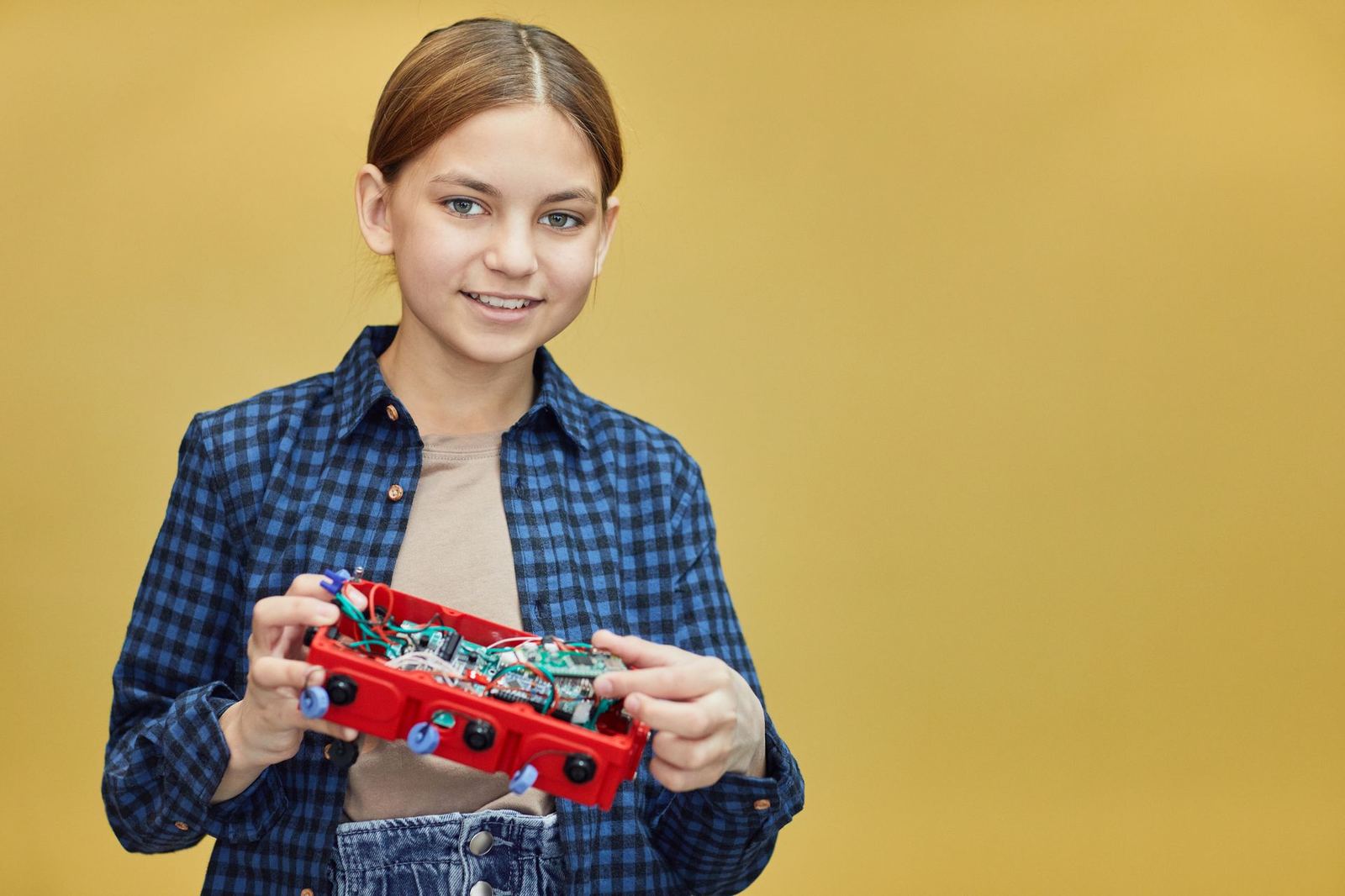
Algorithmic thinking, being at ease with mistakes, teamwork: five concrete benefits of robotics and coding, based on what we see in class.
Robotics and coding have become common in school curricula and weekend activities in recent years. But what do these lessons really give a child? Here are five benefits we have observed in our classrooms over nine years.
1. Algorithmic thinking
To get a robot to “pick up the cube on the table and put it in the box”, you first have to break the task into steps: move forward, find the cube with the sensor, stop, lower the arm, close it, go back. This ability to decompose a task carries over to many areas, from maths problems to planning homework. Teachers often tell us that students who take regular robotics lessons are more comfortable breaking long problems into parts.
2. Being at ease with mistakes
Robots rarely work on the first try. A robot that misses the line, hits the wall or spins on the spot teaches children that a mistake is not an end but a piece of data. In our lessons we build a habit we call “bug hunting”: What did the robot do, what did we expect it to do, and where does the difference come from? Children who ask these questions also stay calmer when they get something wrong in an exam.
3. Hands-on maths and science
Gear ratios, circumference, speed, angles and sensor thresholds stop being abstract ideas in robotics lessons. A child who measures the wheel diameter and works out how many centimetres the robot travels in one turn sees what pi is for, rather than just memorising it.
4. Teamwork and communication
In our classes two students share a set; in the competition team roles are divided: designer, programmer, tester, presenter. Children learn to argue for their ideas, listen to a teammate’s suggestion and make decisions together. Teamwork is also one of the areas judges score most highly at competitions.
5. From consumer to creator
Children today start using technology very early, but mostly as consumers. A child who designs their own game or builds their own sensor-driven device realises that the apps on the screen were designed by someone too, and learns to look at technology critically.
Realistic expectations
Robotics and coding are not a miracle; the benefits come with regular attendance and time. We see these skills develop clearly in students who keep going with one lesson a week for at least a term. At the end of each term every parent receives a written assessment report describing their child’s progress.
Girls and robotics
The share of girls in our classes has risen from 28 to 41 per cent over the last three years. We see girls stand out particularly in the design, research and presentation stages and take on leadership roles in teams. Seeing robotics as an “activity for boys” is a prejudice that families and schools can break together; mixed teams work more creatively and in a more balanced way. That is why we form mixed groups wherever possible.
Related Posts
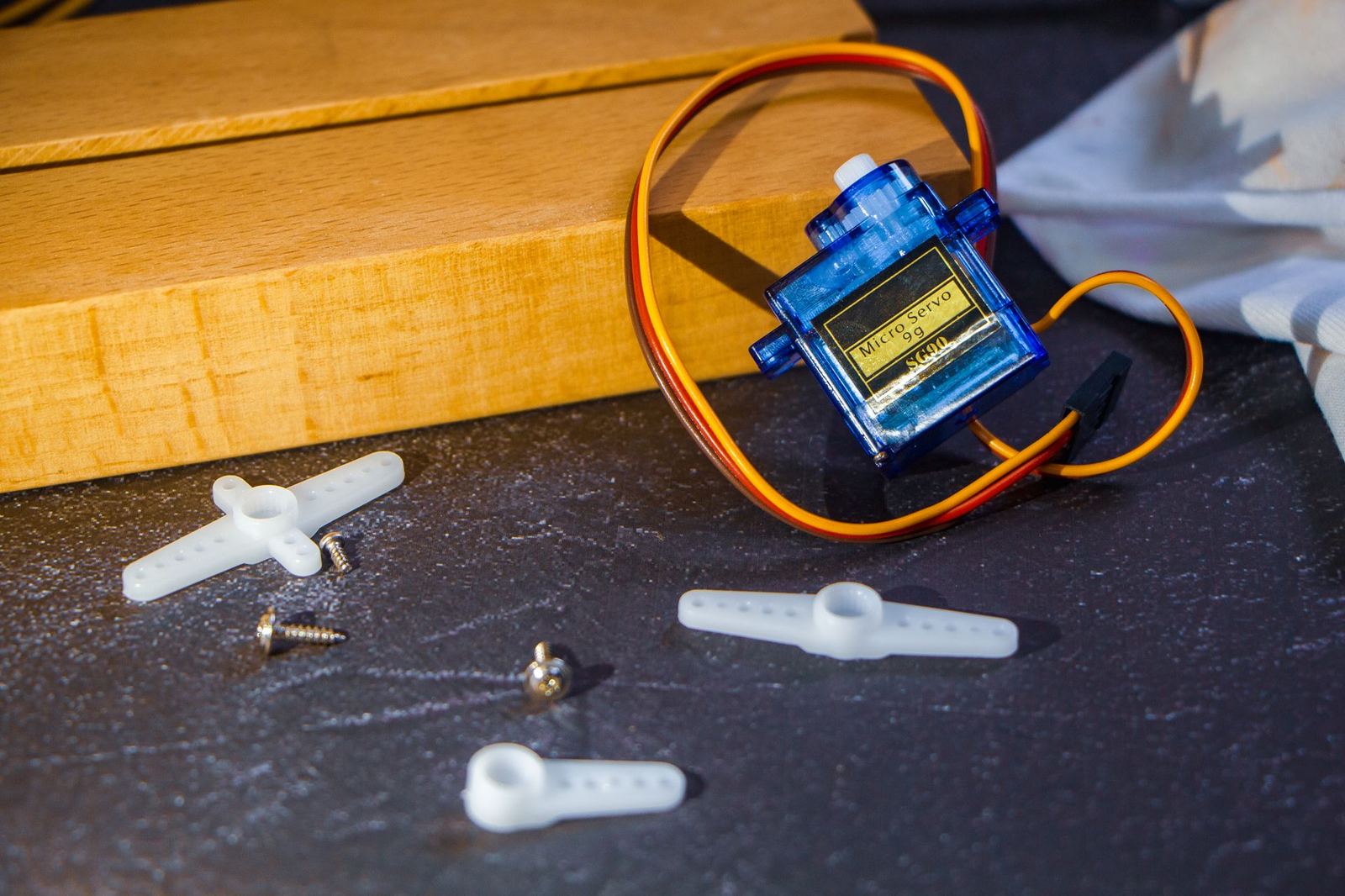
What to Look for When Buying a Robotics Kit for Home
Age suitability, expandability, software support and safety: a short checklist for choosing the right robotics kit.
Read more