

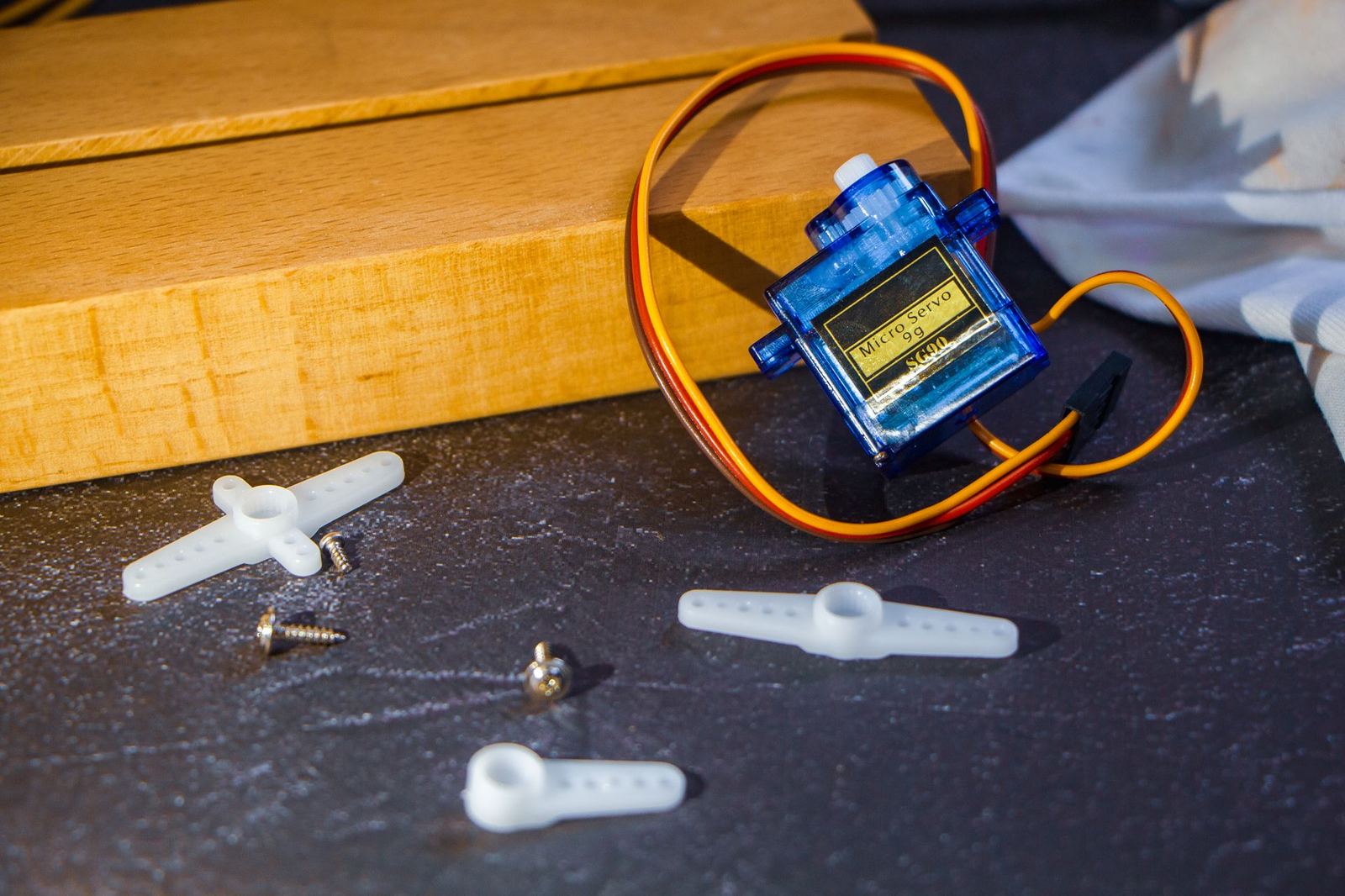
Age suitability, expandability, software support and safety: a short checklist for choosing the right robotics kit.
Around New Year and birthdays the question we hear most from parents is which robotics kit to buy for home. The market ranges from simple kits costing a few hundred lira to educational sets costing tens of thousands. To choose well, we suggest asking these five questions.
1. Does it suit the child’s age and level?
The age range on the box is a starting point, but the child’s experience matters more. Even for a 10-year-old with no coding experience, a kit programmed with blocks is a better start than an Arduino kit programmed directly in C. A kit that is too hard can put a child off coding; one that is too easy ends up in the cupboard within days.
2. Does it allow the child’s own designs?
Some kits are made to build only the one model in the box. Once it is built, the fun is over. The kits to choose are those with standard connectors that allow different models to be built and let children create their own designs.
3. Software support and community
Is the kit’s programming app kept up to date, does it have a Turkish interface, and does it run on both tablets and computers? Platforms with a large user community where you can find sample projects and lessons online, such as micro:bit and Arduino, offer far more learning opportunities in the long run.
4. Is it expandable?
Being able to add new sensors, motors or modules as the child progresses extends a kit’s life. A micro:bit, for example, can be used for years in different projects with an expansion board and a few sensors. With closed systems, extra parts are hard to find and expensive.
5. Is it safe?
Check for the CE mark and a Turkish user manual. For children under 8, the choking risk of kits with small parts must be considered. Kits with lithium batteries should only be charged with the original charger, and children should be supervised while charging. Kits that require soldering should be used under adult supervision in a ventilated space.
A short list of suggestions
- Ages 5-7: A screen-free coding robot or a chunky motorised construction set
- Ages 8-11: A block-programmed robot set with sensors or a micro:bit starter kit
- Age 12 and over: An Arduino-compatible starter kit with a breadboard and at least 20 components
Before stretching the budget, the soundest approach is to see in lessons what kind of projects your child enjoys. Our instructors also include suggestions for kits to use at home in their end-of-term reports.
Budget and second-hand kits
Educational kits can be expensive, but the second-hand market is quite large. When buying a used set, always check that the parts list is complete, that the motors and sensors work and that the battery is not swollen. At the academy we sometimes pass on previous seasons’ kits to student families at a reasonable price; these offers are announced in our parent newsletter.
Related Posts
What Do Children Gain from Robotics and Coding?
Algorithmic thinking, being at ease with mistakes, teamwork: five concrete benefits of robotics and coding, based on…
Read more